



Why Didn’t Make Or Break Succeed?
Is surfing completely unloveable?
Two years of thoughtful surf drama, and that’s all the world could possibly endure.
You’ve probably heard the news by now. After just two seasons, the Apple TV+ reality-surf program Make or Break, has been dramatically aborted. There will be no season three.
The exact reason for the show’s cancellation hasn’t been announced, but one must assume it’s due to the absence of committed viewership, on what is surely a tightly contested (especially with reality sports content) and high-rolling network.
Make or Break was produced by Box to Box, which is the same production company behind the wonderfully successful Formula 1 program Drive to Survive.
Despite their obvious differences, surfing and fast cars have more in common than you might expect.
Both are traditionally phallus-dominated industries carefully dallying into the unfamiliar world of gender progression. Both, at their most lovable level, are pastimes for rural burnouts. Both involve travelling the world with a tight-knit entourage focused on (mostly) individual success. Both were acquired by stubbornly opportunistic billionaires a few years back, during times of financial distress and record-lows in fan interaction. Both are niche and unrelatable sports begging the world to take them seriously.
In 2017, Liberty Media purchased a then-in-debt F1 for a modest $8 billion dollars. In the years since, they have spent exuberant amounts of cash attempting to popularise the sport, and they must be very, very pleased with their work.
Last year, they reported an increase of 25% in annual revenue, as well as a $100 billion dollar increase in operating profits. Since 2019, attendance at F1 events has increased by over two million humans, the majority of whom were under the age of 35. In 2022, more than 30% of fans cited Drive to Survive as their reason for becoming interested in the sport.
All this success owed to a little considered storytelling, ey?
If Drive to Survive elevated F1 into the realm of mainstream mega sport, then surely two well-produced seasons of surfing narrative did something positive for us, right?
Well, let’s start with what Make or Break did well.
The point of all media must be to make the audience feel something. We need human stories. We need a reason to care. Show the world an air-rev and you’ll be met with a subtle grunt of amusement, or perhaps a limp nod to acknowledge that something requiring skill just happened.
But show the world vulnerability, anger, trauma, show them any desperate emotion, and you’ll just about have em’ hooked.
We’re inherently feeling creatures, us humans. We come looking for humanity first and, even in worlds that are impossible for us to understand, we can easily recognise emotions that are familiar to our own experience in an unfamiliar world.
It’s the same reason that adults cry whilst watching Shrek. Most of us have no experience being an ogre or living alone in a swamp (I hope), nor do we have any way of understanding what it’s like to fight a dragon or befriend a talking donkey.
In fact, we have no real connection to the story at all, but we can relate to the characters because they feel in the same ways that we do. We’ve all experienced loneliness and heartache, just as we’ve all experienced friendship and love.
For some reason, watching others in moments of anguish or triumph gets us all hot, bothered and completely caught up in the story.
The crew at Box to Box seem to understand this well. The focus for Make or Break, as it is with Drive to Survive, is on the athletes’ lives, rather than on the sport. It’s a story within a story, really, where the surfing and the tour are always secondary to the experiences of the characters who feature in the show. Hence why Drive to Survive still had a compelling season six, despite Max Verstappen winning the season by the second-greatest margin in F1 history.
As far as storylines go, Make or Break had some pretty compelling narratives to choose from and, for the most part, they kinda nailed them.
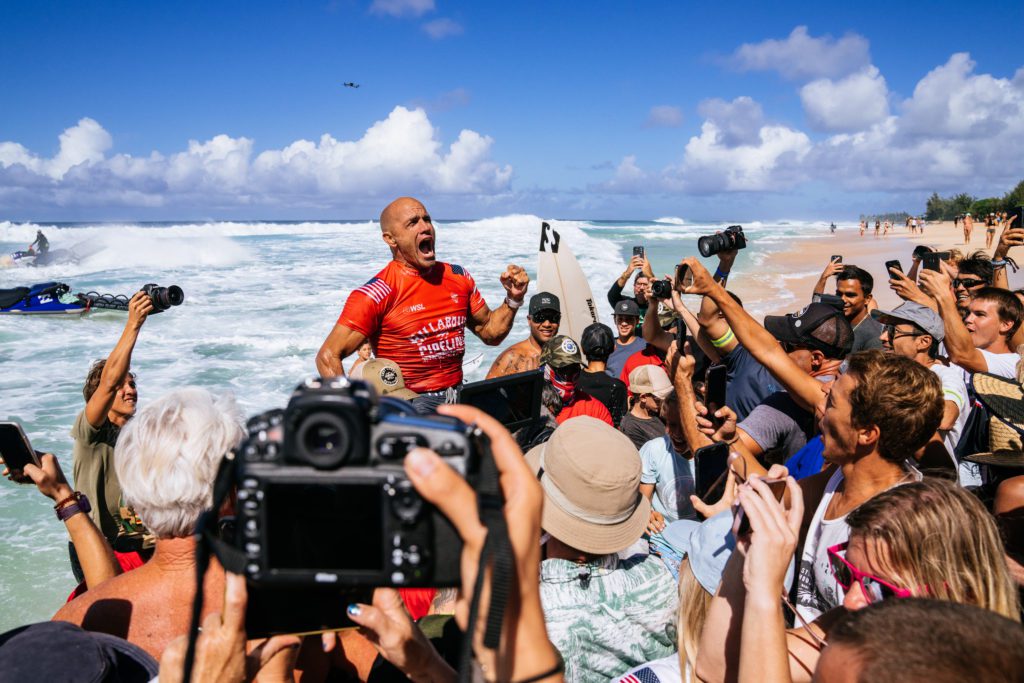
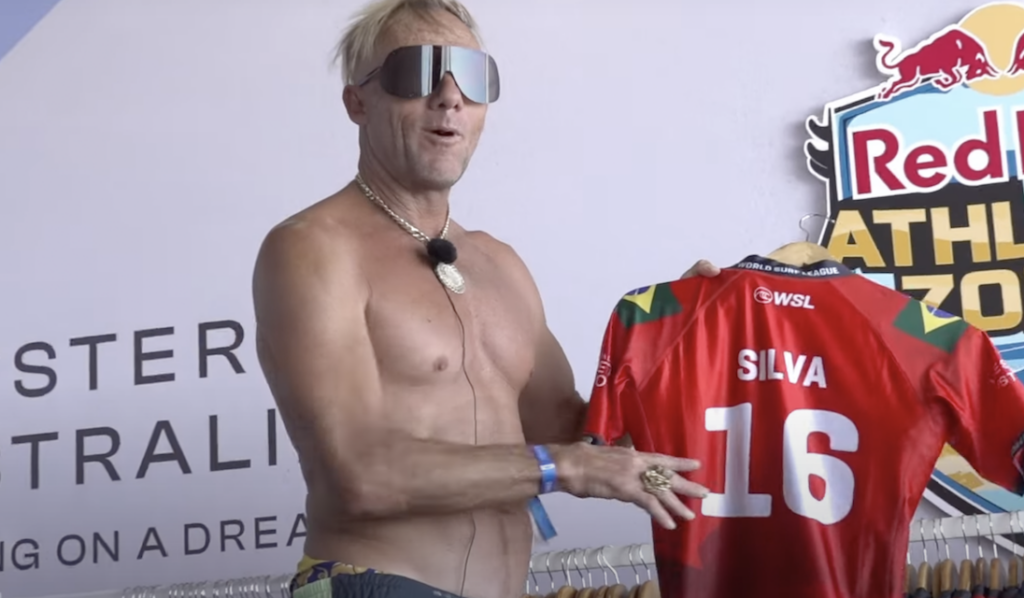
There is the ageing Kelly Slater, the greatest surfer in all of history, having to come to terms with his own mortality. A man who has sacrificed everything for the sake of winning. A man that, at 50 years old, willingly forgoes celebrating his achievements with the people around him in pursuit of an impossibly lonely legacy that he can’t walk away from.
“I’m nearly 50, man. That’s old. When I was 21 I had all these goals. They all fed this demon inside of me that could beat anyone at anything. Now, I can feel that light going out,” says Kelly, clearly attempting to justify why he’s still competing. And then he wins Pipe. His first CT win in years and surely a fitting finale to cap a life spent on tour. A perfect opportunity to gracefully hang up the boots. But he doesn’t hang them up, obviously, because Kelly Slater.
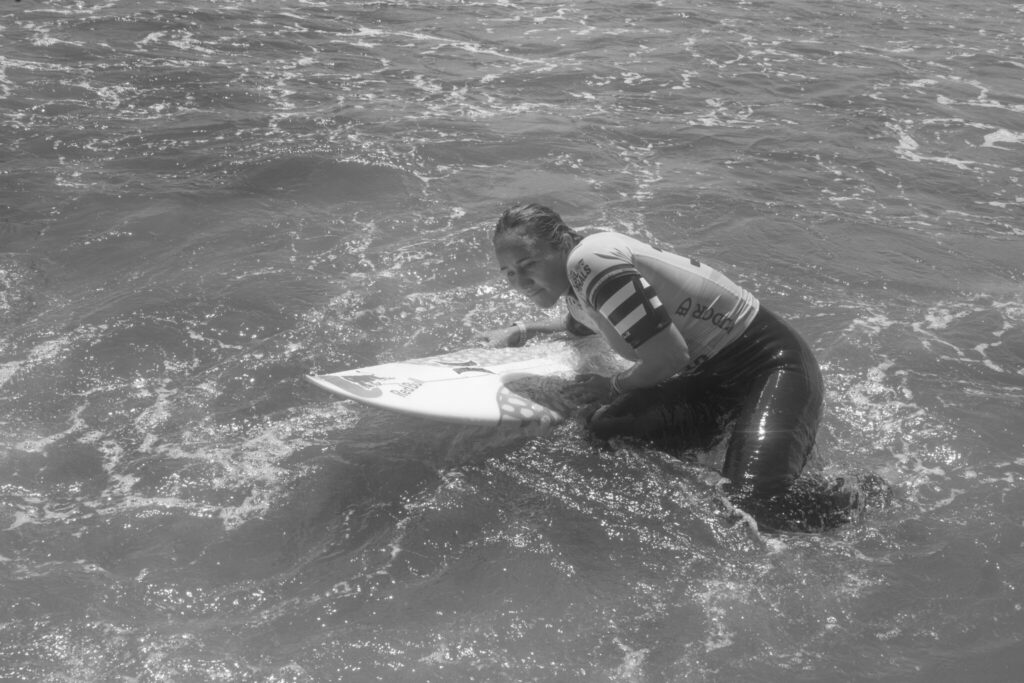
There is the fatal shark attack at Maui during the women’s event period, which forces the changing of locations mid-way through the comp. In a historic decision, the WSL sends the girls to Pipe, unprepared, for the first time ever on the CT. A new standard for women’s surfing is born.
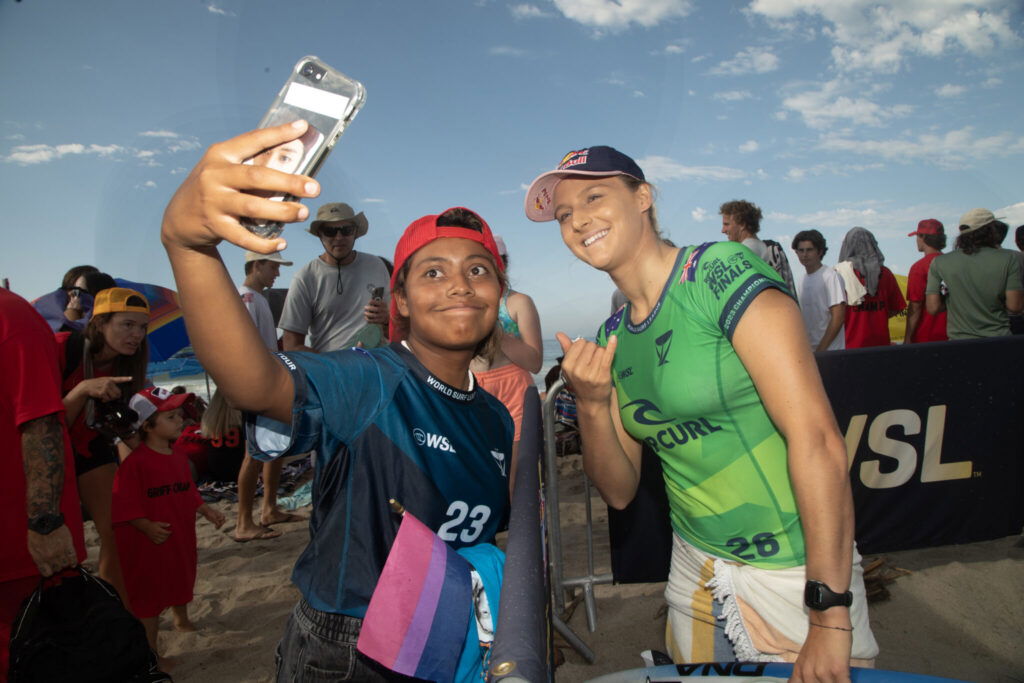
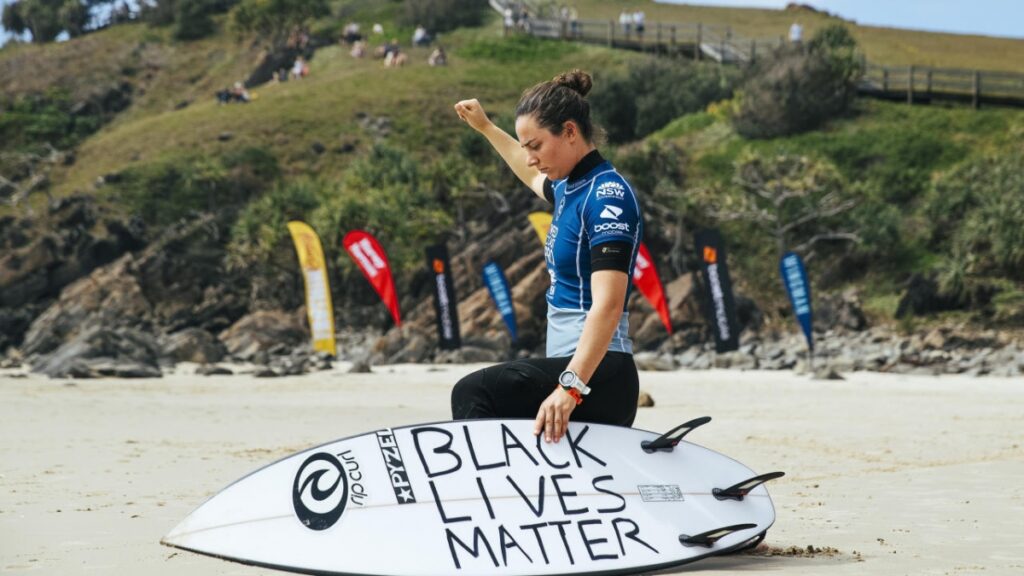
There is the proudly outspoken Tyler Wright who, as the only openly queer surfer on tour, seems determined to use the CT as a stage to amplify her fight for social change.
Everywhere you look, stories. Instead of shying away from controversy, which has become a defining criticism of the WSL, Make or Break asked all the right questions, poked around in the mire and, generally speaking, found stories worth telling.
But the show was cancelled for a reason, so let’s get into where Make or Break came up short.
“Drive to Survive and Make or Break are just light years apart. We’re talking about a $250 million motor recall, and we’re talking about a $250 surfboard,” Jordy Smith told us during an interview for How Surfers Get Paid, dropping on July 22. “It’s not even in the same realm. The amount at stake is just huge financially on that side and quite a lot less on this side.”
Jordy raises a fair point. When there’s more to lose — like, hundreds of millions of dollars more to lose — then there’s obviously going to be a level of drama that dwarfs anything that can possibly be milked from surfing’s comparatively vacant teats.
We have world titles, we have cool tricks, and we sometimes have sharks. The F1 has spygate conspiracy theories, high-tech engineering documents being leaked to other teams, deliberate crashings to impact results, and a billionaire Indian business tycoon turned runaway fugitive, known to most as the ‘King of Good Times,’ who unironically sports a highly flappable mullet, as a team owner.
In addition to the disparity in controversy, more people know how operate a motor vehicle than a surfboard. Similarly, a larger percentage of the general public have probably been involved in a car crash than have experienced the impossible terror of peering over the ledge at Teahupo’o.
“Most of the world can relate to driving in a car, right? They know that what how fast 80 miles an hour is when they put their foot down. A lot of the world can’t even swim,” says Jordy.
So, surfing is more alien and therefore less digestible for viewers. There’s less money involved. There’s a different kind of drama. We have fewer active billionaire fugitives.
But what did Make or Break actually do wrong?
Well, the cold answer here, and one that’s a little hard to swallow, is nothing at all. It’s surfing that has failed.
In the past, we’ve been able to attribute the shortcomings of surfing to the way in which it was being presented. The WSL too sterilised. The heats too long. The waves too shit. The Ultimate Surfer.
This time, however, Make or Break offered the world a sample of surfing in a reasonably accurate way, and we’re being rejected. Our beloved characters are being told they aren’t special and our stories have been decided too uninteresting for the global media stage.
We were once tantalising in our mystery, but now we’ve opened our cute mouth all the way and shown that there’s nothing interesting behind it. We’ve exposed ourselves, and the world has deemed us unlovable.
For some reason, that feels both diabolical and obvious.


Comments
Comments are a Stab Premium feature. Gotta join to talk shop.
Already a member? Sign In
Want to join? Sign Up