




Could Paul Naudé Buy Rip Curl At A $200 Million Discount?
Corporate lobotomy at Kathmandu.
According to The Australian Financial Review, a group of former Billabong executives, including Paul Naudé and Derek O’Neill, are pushing Kathmandu’s parent company, KMD Brands, to carve Rip Curl out of the group and sell it off.
Ideally, to them.
Let’s throw the mind back a bit. In 2019, Rip Curl was bought by Kathmandu’s corporate parent for A$350 million, a number that, at the time, looked a fair (if optimistic) price for one of Australia’s most storied surf labels.

The acquisition was framed as strategic diversification: bolt a heritage surf brand onto an outdoor retail machine anchored by Kathmandu and backed by U.S. bootmaker, Oboz. That was the narrative in market coverage and investor decks when the deal was announced.
Now, seven years later, that A$350 million feels like a relic from the last interglacial. Industry chatter, again, via The Australian Financial Review, has Rip Curl being discussed at around A$120 million. That’s a lot of follicles plucked from the dome. Enough to make a grown CFO weep into his spreadsheets.
Part of the drop in headline value rests with the company that now owns Rip Curl. KMD Brands has been under pressure, reporting weak comparative sales, closing more than 20 retail outlets, and reshuffling leadership as part of a broader turnaround effort, per coverage in Sharecafe. Surf retail itself hasn’t helped. Everything on sale, everywhere, all at once.
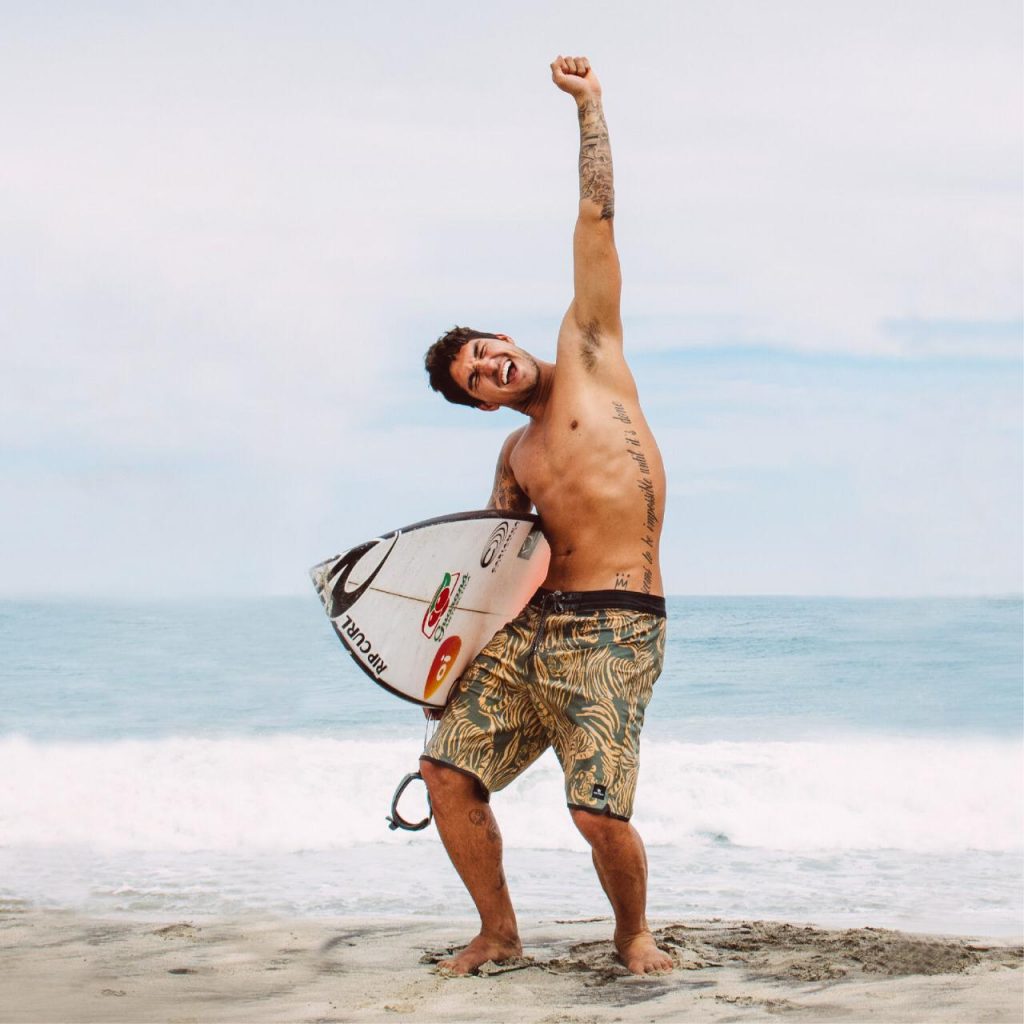
Rip Curl, for its part, hasn’t exactly exploded since the acquisition, and the market has noticed.
KMD’s total market capitalisation now sits at roughly A$120 million, based on current ASX pricing. That’s for the entire group: Rip Curl, Kathmandu, and Oboz combined. The business still generates close to A$1 billion in annual revenue, with Rip Curl remaining the largest and top-performing brand, pulling in about A$530 million. Yet the company trades at roughly 0.1x sales, implying that the market simply does not believe those sales are translating into meaningful profit any time soon.
Late last year, Paul Naude and Derek O’Neill pitched a Rip Curl buyout under Stokehouse, Paul’s empire for Vissla and his other surf toys. KMD said no, fast, releasing a statement: “The concept proposed by Stokehouse creates no value for shareholders and is challenging from an execution standpoint,” from KMD chairman David Kirk. “In addition, the combination of multiple surf brands that directly compete with each other is not a strategy that has proven effective.”
But, the story doesn’t end there. With shares languishing and the market looking ripe, could a hostile takeover be on the cards?
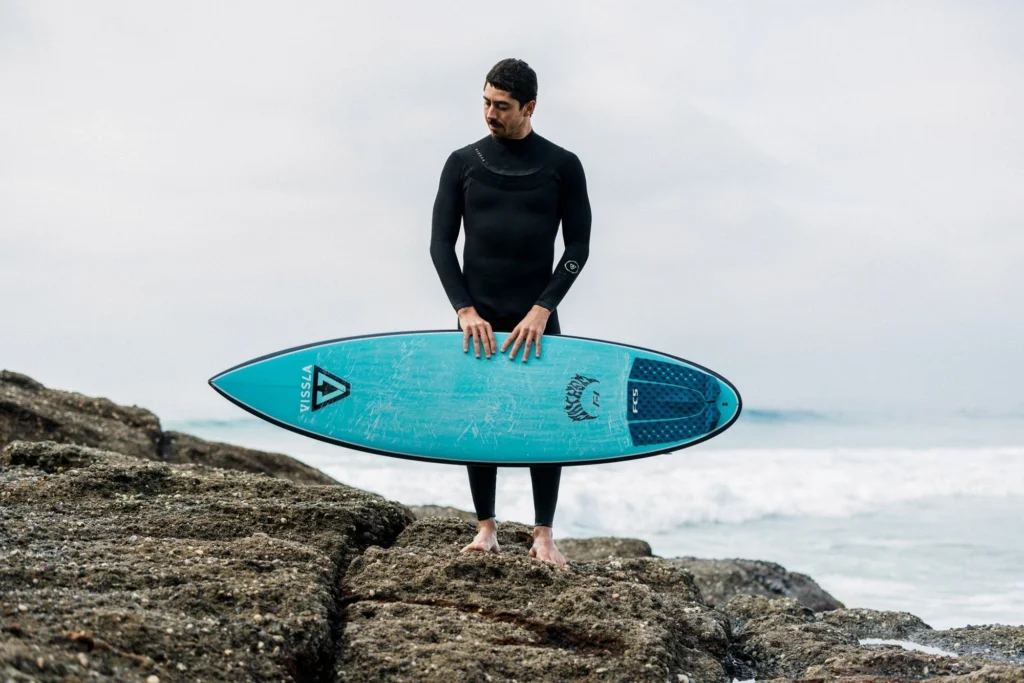
At that valuation, an investor doesn’t need to dream particularly big. They just need to start buying. If the share price is languishing and the market cap is cramped, someone with cash and conviction could start scooping up shares on the open market, building a meaningful position, and applying pressure. From there, the corporate takeover playbook is well worn: push for board change, force a strategic review, and potentially carve Rip Curl out of the group and let it run free.
“Right now, KMD’s market cap is about A$120 million,” says an industry insider. “So, what multiple does someone actually pay for that? You could realistically accumulate stock and push a hostile or management-led takeover. This is still a billion-dollar revenue business trading at A$120 million. It’s mispriced.”
It’s also worth noting that since the 2019 acquisition, KMD’s share price has fallen heavily, with declines in the realm of ~85 per cent from post-acquisition highs.
All of which comes at a strange moment. Rip Curl, in theory, should have a little more room to move after shedding the major contracts of Gabriel Medina, Tyler Wright, and Dylan Wilcoxen. Then again, maybe not.
“The money just isn’t there, mate,” says a different industry insider. “It’s dried up at the top.”
Which leaves the door slightly ajar. Not wide open, not exactly inviting, but enough for an opportunistic, business savvy South African to notice.
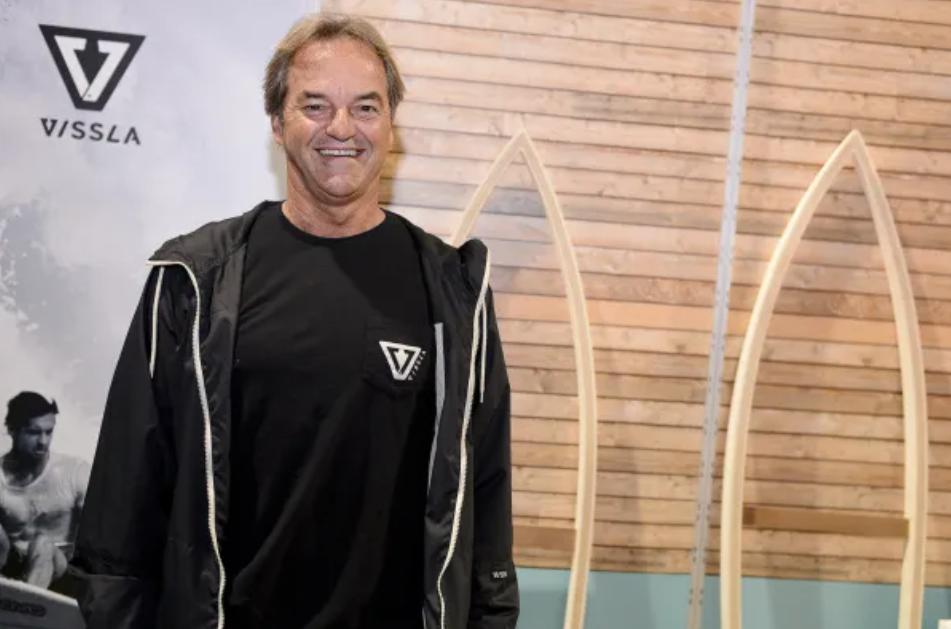
“The surf industry in the last 10 or 12 years has been somewhat rudderless as many of the major brands have been controlled and steered by non-surf-industry-savvy people,” Naude told Shop Eat Surf earlier this week. “The industry has suffered as a whole by there not being a leading company with scale, authenticity and commitment to surf culture. Now that there’s been a significant change in the overall landscape of the industry, I see an opportunity for a lead company with scale to emerge that has a variety of credible authentic brands in their mix.
“At the same time it’s encouraging to see a group of talented new brands leading the new chapter in the surf industry, and whether a bigger leading company emerges or not, I see that new brand momentum continuing,” he added.
It’s worth flagging Paul Naude’s insatiable appetite for surf-industry assets and the relentlessness with which he hunts them. A quick rewind through his portfolio:
He cut his teeth running Gotcha licenses in South Africa before moving stateside as VP of Gotcha USA. He then helmed Billabong USA, rose to president of Billabong Americas, and even kicked the tires on taking the company private. Post-corporate surf, he founded Stokehouse Unlimited, the parent of Vissla, the women-focused SISSTR Evolution, D’Blanc, and Amuse Society. He’s also listed as a ‘strategic partner’ at Florence, and is rumoured to have an invisible hand at RVCA.
Could Rip Curl be the next notch on that resume?
Time, and the markets, will tell.


Comments
Comments are a Stab Premium feature. Gotta join to talk shop.
Already a member? Sign In
Want to join? Sign Up